
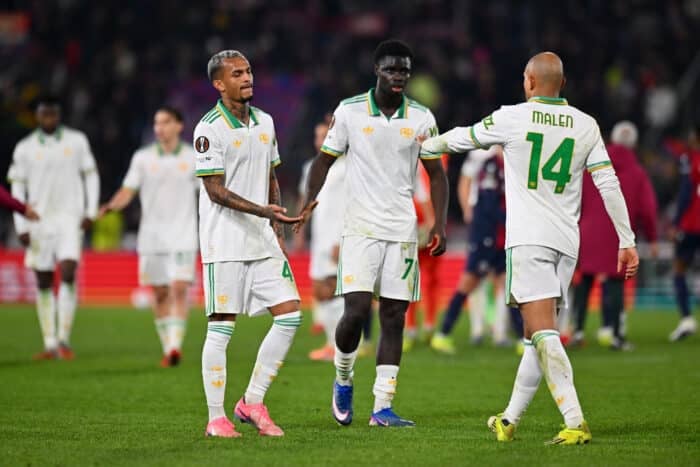
Roma kept from losing the tie, however, lost the opportunity to gain an advantage. The 1-1 draw versus Bologna has left everything up for grabs before the second leg. Pellegrini’s goal gave Roma the edge, yet the overall result raises questions about how balanced the Roma attack is and how well Roma manages games under pressure. Both positives and negatives were shown in this match, which will decide how the return leg plays out. Continue reading as we analyze the tactics, key events, and what can be expected next.
Tactical Differences Dominated the First Leg
Gasperini’s Bologna pushed high and pressed Roma aggressively, forcing quick decisions early on. The pressure limited Roma’s ability to build attacks and control central areas, especially in the first half. Moments like this draw attention from those tracking live odds, and through platforms like Betoholic, they look for short arbitrage opportunities when lines shift quickly across bookmakers. Roma stayed disciplined, kept their shape compact, and waited for transitions to attack through the flanks. That control helped them avoid chaos when Bologna were at their most intense.
When Bernardeschi scored for Roma in the second half, the tempo of the game changed. Roma did not panic when they fell behind but adjusted their spacing and created more time in possession in the midfield zones. Pellegrini’s goal came from constant pressure, and not a sudden flash of skill. That series of events highlighted Roma’s balance over two games and the importance of calmness.
Key Moments That Defined the Match
The key moments that made the difference:
- After being repeatedly pressed by Roma, Bernardeschi scored and exposed their weakness on their right side.
- Pellegrini’s goal came as a reward for Roma’s ability to build patiently through possession rather than quickly launching counter-attacks.
- Regardless of whether Dovbyk was being tightly marked throughout, his movement created room for himself (and other players) to move into.
- In the final minutes of play, Bologna’s high pressure diminished greatly, giving Roma back control of the ball and the tempo of the match.
These moments illustrate why neither team could dominate completely while still leaving Roma with a more favorable result. The two teams are still very much in the same position; they are close, but they are not equal.
What Changes Before the Second Leg
The Rome return will be nowhere near as fast-paced or risky as the first leg. With both sides now having more knowledge about how each team plays, the preparations for this leg will have shifted from learning how to play them (discovery) to how to execute that plan.
Stadio Olimpico – Roma’s Tactical Approach
Roma will most likely control the ball for longer periods than in Bologna, and therefore, there will be fewer chaotic transitions. Roma’s back four can sit a little higher up the pitch with a much more solid and organized midfield in front of it. This means there will be faster recovery times after losing the ball and fewer opportunities for Bologna to trigger their high-pressure attacks.
At home, Roma can expand the field lengthwise, mainly through wide rotation and overlapping runs. This creates more favorable conditions for Dovbyk to create his own scoring opportunities. He was stifled in the first leg due to tight marking. Roma is looking to apply controlled pressure to Bologna without leaving itself exposed to defensive holes.
Risk/Reward Strategy For The Second Leg In Bologna
Bologna cannot expect to press again against Roma because they are anticipating this and prepared to counter it. Therefore, Bologna will have to determine when to pursue a more aggressive approach with their pressing and when to retreat to a more passive position. This will be Bologna’s most important tactical decision for the second leg.
Bernardeschi will remain Bologna’s most dangerous attacking force. He is at his most effective in transitional phases and while he moves from the half-space. To create opportunities for Bologna in Rome, Bologna will need to develop a structured build-up rather than solely relying on high pressure. Therefore, Bologna must risk calculated attacks since if they become too aggressive, they will open up large areas behind their defense.
Attackers and Defenders
The first leg illustrated how thin a margin could be in determining what happens in European soccer matches. Both teams were able to create serious problems for each other. Bernardeschi made more of a threat to his team by putting pressure on Roma’s defenders to always follow him. This then provided his teammates with space to operate within.
Whereas Bernardeschi was the primary threat for Bologna, Roma was successful due to a coordinated approach to the game, as opposed to being reliant on one player. While Dovbyk has been the most dangerous threat for Roma on the attack, it was because of his movement and athleticism that Dovbyk created opportunities for Roma. Pellegrini’s goal, which tied the match, was a prime example of how Roma approached the game. It was a combination of good timing and positioning that produced the goal, rather than just pure ability or flair.
Advantage Slightly With Roma
While the second leg is wide open to either team, Roma has a slight edge going into the second leg. Because of their possession of the ball, as opposed to relying on chance or the individual brilliance of a player, Roma will come back to Rome with an advantage. If Bologna is smart about how much they take a chance on disrupting Roma’s game plan, they could potentially alter the flow of the game. One goal could easily swing the entire outcome of the two legs.


