
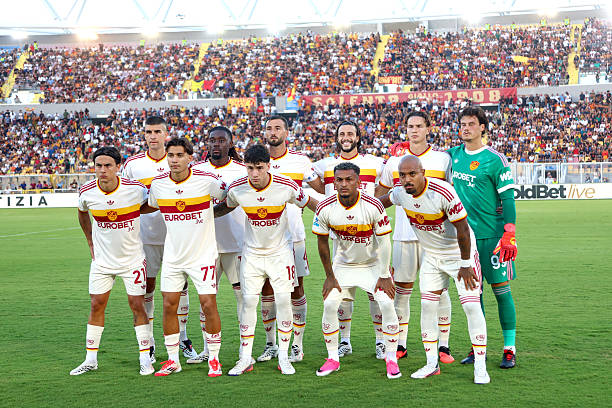
Advanced analytics contribute significantly to Serie A preparations, enabling more informed decisions for every match. Roma, dealing with a challenging competitive schedule, utilizes data technology to seek small advantages in performance and planning. Analytics has moved from background support to a central part of how top teams prepare, adapt, and compete across the season.
As football becomes more demanding and analysis-driven, data is no longer considered optional for tactical planning. Roma’s consistent efforts to gain an advantage are closely linked to collecting, interpreting, and applying a wide range of performance and opposition data. This process is somewhat similar to decision-making in other data-driven fields, where environments such as tuhti casino depend on structured information to inform outcomes. These evolving practices illustrate heightened standards across Serie A and demonstrate how clubs respond to new technologies.
The variety of football data sources explained
Analytics in football covers two broad areas: event data and tracking data. Event data chart individual actions such as passes, tackles, and shots, while tracking data provides continuous information on player movement, positioning, and speed throughout matches.
To maximize insights, video analysis converts raw numbers into practical guidance for coaches and players. Analysts break down complex movements and trends, translating them into actionable ideas that inform not just big-picture tactics but everyday training adjustments.
Applying analytics to opposition scouting and game plans
Modern match preparation demands close examination of opponent patterns well beyond simple statistics. Analysts review how upcoming teams structure their buildup phases, the triggers that activate their pressing, and set-piece routines, using multiple examples to spot trends.
This detailed scouting supports game plans tailored to specific phases of play rather than broad-level profiles. Coaches can then focus session time on countering concrete threats rather than reacting to general tendencies, sharpening overall team readiness.
Integrating data into training and player management
On the training ground, analytics underpin session rhythm and workload. Coaches use tracking-based metrics to set session intensities and repetition counts, optimizing drills for defenders, midfielders, and forwards by referencing actual in-match requirements.
Load management is also shaped by data-informed screening for fatigue or injury risk. Continuous monitoring of indicators like distance covered and recovery rates can guide decisions about squad rotation and substitution timing, reducing the chance of breakdowns over a demanding season.
Turning analysis into tactical and strategic impact
Live tagging and quick video feeds provide coaches with immediate feedback during matches. At halftime, these tools can help staff address issues or exploit newly identified gaps rapidly, combining analytical input with tactical judgment.
Set pieces are another area where small tweaks informed by analytics can lead to tangible results. Teams measure delivery zones, blockage patterns, and second-ball reactions, finding incremental gains that, over the course of a Serie A campaign, can add up to valuable points in competitive standings.


