
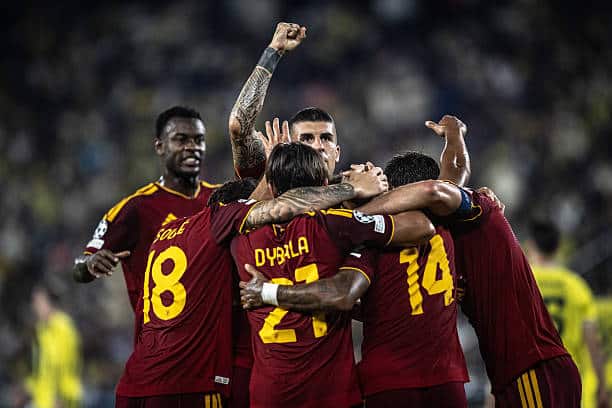
Injuries and squad rotation are pivotal factors in determining Roma’s match results and the odds offered by bookmakers. The team’s depth and availability can influence strategic choices, both in preparation and on the pitch. Understanding how these elements affect Roma’s lineup helps to explain the shifts in expectations among fans, analysts, and those monitoring Roma betting odds.
Squad continuity is a luxury rarely afforded over the intense course of an Italian football season, as both minor and major injuries force coaches to adapt. For Roma, dealing with absences has often meant deploying alternative lineups or introducing less-established players. Likewise, frequent rotation, driven by congested fixture schedules, can alter tactical dynamics and impact matchday outcomes. When lineup uncertainty looms, the variability can be reflected in changes to the Roma betting odds posted by bookmakers.
The impact of injuries on Roma’s playing style
Injuries frequently change not only who is available but also how Roma sets up tactically. When key defenders like Chris Smalling or Gianluca Mancini are sidelined, the team may shift to a more conservative formation, prioritising defensive stability over aggressive pressing. This adjustment is necessary to compensate for less experienced replacements, particularly when facing high-calibre opponents.
Attacking injuries, such as losing Tammy Abraham or dealing with Paulo Dybala’s injury, often force Roma to rely on less proven forwards or to adapt by strengthening the midfield. This disrupts established patterns of attack and can make predicting goal output more challenging. Often, betting markets adapt as soon as news of such injuries surfaces, with Roma betting odds shifting in anticipation of lower-scoring contests or defensive setups.
Squad rotation: tactics and planning for depth
Beyond injuries, deliberate squad rotation is a strategy used to manage player fatigue, with research on fixture congestion and player recovery showing why incomplete recovery becomes an issue during packed schedules. When Roma competes in European tournaments alongside Serie A, managers like José Mourinho have rotated heavily, sometimes resting core players in league matches ahead of crucial continental fixtures. This approach can lower the expected performance levels in games where rotated lineups are fielded.
The practice of squad rotation is seen not only as a risk but as a necessity for maintaining competitiveness over a long season. Introducing bench players often changes the rhythm of Roma’s play, and matches featuring heavy rotation can become unpredictable. Such unpredictability is scrutinised not just by fans but also in the context of sports betting, where bookmakers reassess match odds to account for potential swings in performance due to untested combinations on the field.
The quality of Roma’s squad depth has varied considerably across different seasons, directly affecting how successfully rotation can be implemented without compromising results. In campaigns where the club has invested in versatile backup players capable of seamlessly integrating into the first team, rotation has proven less disruptive to performance consistency. Conversely, when depth is limited or backup options lack Serie A experience, even minor rotation can lead to noticeable drops in tactical execution and match control. This variance in squad quality means that the impact of rotation on Roma betting odds can differ significantly from season to season, requiring careful assessment of the current roster’s capabilities before making predictions.
Case studies: how absences and rotation influenced recent Roma odds
Several recent Serie A and cup matches have demonstrated how injuries and rotation can reshape match odds. For example, in the 2022–23 season, Roma’s absence of both starting wing-backs led to a switch from their usual 3-4-2-1 to a more compact back four, reducing attacking width against Atalanta. The odds for a Roma win lengthened as bookmakers anticipated a defensive, less adventurous performance.
Another instance came when multiple midfielders were unavailable for a Europa League fixture. A youthful lineup was named, resulting in greater market volatility and wider odds. The uncertainty introduced by such changes often influenced the expectations of punters and odds compilers alike. These examples show why monitoring Roma betting odds can offer insight into the anticipated impact of short-term absences and strategic rotations.
During the 2021–22 Conference League campaign, Roma’s strategic rotation ahead of knockout rounds provided valuable insights into how deliberate squad management affects betting markets. Before the semi-final against Leicester City, Roma rested several key players in a Serie A fixture, resulting in a surprising home draw against a mid-table opponent. The odds for that domestic match had shortened significantly once the team sheet was announced, reflecting market recognition that Roma’s priorities lay elsewhere. This pattern of prioritising European competition over domestic fixtures became a predictable element that informed observers could leverage when analysing the likely movement in Roma betting odds throughout that successful European campaign.
Managing uncertainty: tactical adaptation and market expectations
Roma’s ongoing need to adapt tactically—shaped by injuries and rotation—requires flexibility from management and a robust squad structure. Coaches have developed contingency plans, like altering pressing schemes or switching from aggressive wing play to more compact setups, depending on which players are available. The speed and effectiveness with which Roma can adjust is a significant factor that markets must weigh each week.
For anyone analysing Roma’s prospects, factoring in the variable effects of injuries, frequent rotation, and tactical change is essential to understanding why the club’s match odds move the way they do. These dynamics, unique to each season’s challenges, ensure that the relationship between squad availability and betting markets remains central to the ongoing narrative surrounding Roma’s fixtures.


