
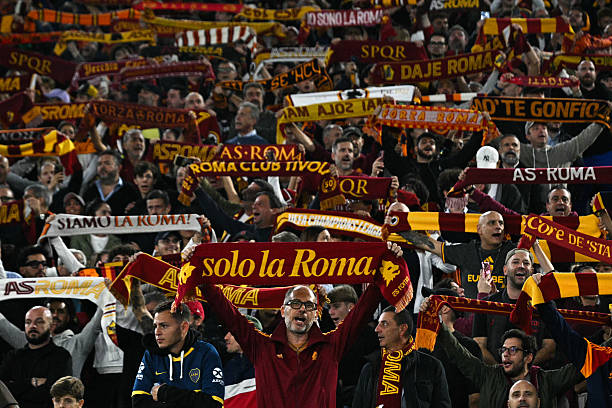
The world of Counter Strike 2 cosmetics might seem a long way from the Curva Sud, yet the economics behind weapon skins and online wagering are starting to resemble familiar stories from football. Scarcity, branding, trading and fan culture all collide in this space, creating a fast moving marketplace that many younger Roma supporters already understand instinctively.
How virtual items gained real value
CS2 skins began as simple cosmetic items, changing how a weapon looks without affecting performance. Over time, the introduction of rarity tiers, case openings and limited collections created a layered marketplace. Some skins are common and inexpensive, while others are rare and highly sought after, similar to limited edition Roma shirts or rare trading cards.
Prices are mainly set by players on third party marketplaces. Factors such as rarity, visual appeal, condition and the historical reputation of an item all matter. A skin associated with a famous professional play or a respected esports figure can suddenly climb in value, a pattern football fans will recognise from the way a single goal can transform interest in a particular shirt or card.
This trading culture feels familiar to anyone who has spent time negotiating over match tickets or swapping stickers outside the Olimpico. Young fans learn basic market principles through CS2 long before they ever pick up a finance textbook. Supply, demand and speculation all play out in real time, with visible price charts and fluid negotiation.
Skin markets and online wagering
As skin values became more established, another layer emerged. Some communities began using these items as a unit of account in online games of chance, often linked to esports matches or case style outcomes. Here skins function a little like chips in a card room, except the chips are colourful rifles and knives that players can also equip in game.
Alongside trading and collecting, a content ecosystem has appeared, built around price discussions, opening sessions and commentary. For those simply trying to understand how the scene works, information hubs such as skin gambling offer explanations of common formats and terminology, helping observers follow conversations that might otherwise feel highly specialised.
The appeal for many participants lies in the mix of aesthetics and uncertainty. Opening a case combines the anticipation of a pack in a football game with the financial stakes of a marketplace. A rare, attractive item can be sold on or kept as a status symbol, then shown off in matches much like a cherished shirt worn to the stadium.
Parallels with football fan culture
For a Roma supporter, the logic of skins is not far from that of club merchandise. A classic Giallorossi shirt carries emotional weight, historic meaning and resale potential. In CS2, a distinctive knife or rifle finish has similar status within its community. Both are ways to express identity, loyalty and taste.
The comparison goes further when looking at collection habits. Many fans build virtual squads, club themed lineups or historic recreations in football games, carefully choosing kits and badges. CS2 players often aim for a coherent loadout, matching colours and patterns in a way not unlike curating a full Roma kit from a special season, from shirt to training wear.
Socially, these virtual items become talking points. Friends debate which designs look best, which items feel underrated and which series might age well. Just as supporters speculate about a young forward’s transfer value or a vintage shirt’s future price, CS2 communities weigh up which skins might become tomorrow’s classics.
Skin gambling and broader economics
From an economic perspective, using skins in place of traditional currency creates an interesting hybrid between collecting culture and wagering. Values are set in open markets, yet they are tied to subjective tastes, esports storylines and the broader popularity of the game. This makes the whole environment more like an art or memorabilia market than a simple currency exchange.
When skins are involved in games of chance, they move rapidly between owners and often cluster in the inventories of the most active participants. That concentration can influence perceived scarcity and, in turn, prices. A single influential collector deciding to hold or release items can shape availability in a way that would feel familiar to anyone watching high profile football transfers affect the wider market.
Regulators are paying closer attention to this world. In the United Kingdom, skin based wagering that uses items with real world value generally falls under existing gambling frameworks, bringing familiar expectations around licensing and transparency. Other countries are taking varied approaches, which adds another layer of complexity for international esports fans and traders.
What this means for clubs and fans
For football clubs like Roma, the CS2 skin economy is part of a wider shift in how younger supporters experience competition, branding and value. Many fans under 25 are as comfortable following a CS2 major as they are watching a Sunday evening Serie A fixture. They move between stadium highlights, online match reaction and weapon showcase clips without seeing much separation.
That crossover matters commercially. Sponsors, kit manufacturers and game publishers all understand that a striking visual identity has value that stretches far beyond a billboard. CS2 skins show how a well designed item can generate its own economy, storytelling and prestige. Football clubs already operate in this space through limited edition shirts, pre match collections and nostalgic reissues.
For Roma’s global fanbase, this environment offers another set of touchpoints with competitive culture. A supporter might spend the afternoon analysing Giallorossi tactics, then later watch a CS2 match where commentators discuss the value of a rare skin. The mindset is similar, weighing probabilities, talent, scarcity and narratives across both arenas.
Looking ahead to future seasons
The economics of CS2 skins and related wagering are still evolving, but some foundations already look solid. Scarcity, storytelling and aesthetic appeal create value, while active communities do the work of pricing, promoting and debating each item’s worth. These are the same ingredients that keep football’s transfer gossip, shirt releases and collector markets so lively.
For Roma fans, understanding this parallel world can offer a fresh perspective on how modern supporters interact with competition, identity and value. Whether someone chooses to follow skin markets closely or simply watches from a distance, the underlying ideas around scarcity and fandom are now part of the broader sporting landscape, sitting alongside traditional matchdays and transfer windows as another arena where passion and economics meet.


