
Becoming a football fan doesn’t look much like it did a generation ago. Back then, you supported your hometown club or the team your dad followed. Now someone in San Diego can watch a Championship match over breakfast, track Serie A transfer rumors in real time, and argue Premier League tactics with fans across several countries before lunch.
People still argue about what counts as a “real” fan. That argument misses something simple: fandom has always been personal. Access changed. The connection didn’t.
How Football Fandom Became Global
A phone and a streaming subscription can bring most major leagues within reach. Social media turned club news into a constant conversation, with official announcements, fan-made clips, and post-match arguments all landing in the same feed.
That kind of reach changes how people first encounter a club. It might be a highlight reel, a documentary, or one player at the World Cup who makes a team stick in your head. The attachment that grows from there can be every bit as strong as the older, more local version of fandom.
Why Supporters Choose Clubs for Different Reasons
For plenty of people, the choice was made at home long before they understood the table. Family tradition still matters. Other supporters arrive differently.
Common entry points include:
- Playing style: Some people are drawn to high-pressure, aggressive football; others prefer patient possession and careful buildup.
- History and identity: Working-class roots, political ties, or a reputation for developing young players can matter just as much as trophies.
- Individual players: One standout tournament performance can introduce a club to people who had never paid attention to it before.
After that first spark, the bond usually grows the same way. You watch more matches, pick up the storylines, and start caring about results week to week.
The Role of History, Identity, and Community
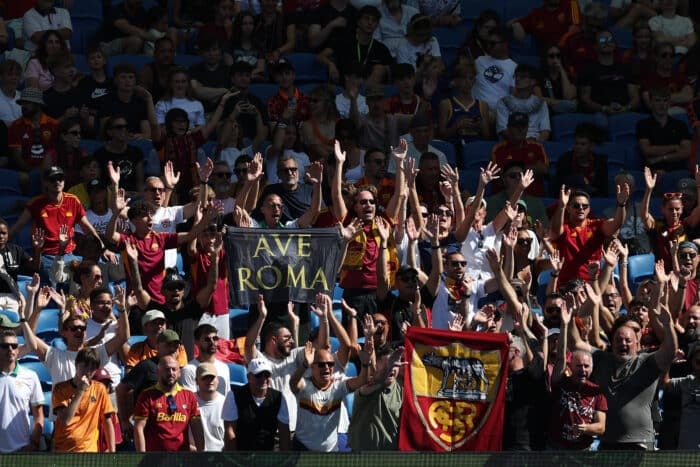
Roma is a good example of how local identity can travel. Roma’s popularity says a lot about how that works — the team represents a distinctly Roman character, and that doesn’t disappear just because someone living far from the city connects with it.
Then there’s the community side. It doesn’t have to mean the same pub every weekend. Online supporter groups can do the same work, giving fans a place to trade reactions, talk tactics, and build real friendships.
For many supporters, the routine looks familiar:
- Learning songs and chants
- Picking up the rivalries that shape a season
- Feeling real joy or frustration after results
Geography doesn’t decide how intense those emotions are.
How the Premier League Attracts International Fans
English football has a head start because it’s easy to find and easy to follow. Broadcast production is consistent, kickoff times are spread across the weekend, and English-language coverage reaches a huge audience without an extra layer of translation.
Just as important, Premier League clubs are presented as distinct identities rather than interchangeable names in a table. Arsenal feels different from Liverpool. Both feel different from Manchester City. Those differences show up in style, recruitment, and the way each club is talked about. Resources like The Sports Geek’s exploring English football for the first time can help put language around that instinctive feeling of “this team fits me,” whether it comes down to tempo, temperament, or long-term identity.
Why Local Traditions Still Matter
A packed stadium still offers something a screen can’t fully carry. The noise after a goal, the nerves in the closing minutes of a tight match, even the walk to the ground all shape the memory of supporting a club in a physical way.
Local supporters also keep club culture moving from one generation to the next:
- Keeping songs and rituals alive
- Passing down stories that explain why certain matches matter
- Maintaining rivalries that shape a club’s calendar
Most clubs are trying to balance that local inheritance with international growth. When they get it right, the culture stays recognizable and new supporters help widen the club’s reach.
Building a Genuine Connection With a Football Club
Real fandom usually builds slowly. You watch often enough to notice patterns, strengths, and weak spots. Transfer news starts making more sense because you know what the squad lacks, and supporter communities turn that interest into something social.
A lot of newer fans worry that their support doesn’t “count” next to someone who grew up near the stadium. Every supporter starts somewhere. What tends to matter most is staying emotionally invested through rough stretches and learning the context around the club — not just showing up when things are going well.
A few signs of genuine support tend to appear pretty quickly:
- You learn the club’s defining moments, not just the recent highlights.
- You understand why some opponents matter more than others.
- You respect what the club means to its local supporters, even if you’re following from far away.
Conclusion
Football’s global growth changed how people find their clubs. It didn’t change why the connection feels strong once it takes hold. The fan who grew up with season tickets and the fan who found a team through a clip online may arrive by different routes, but the same things still matter: showing up, learning the context, and caring about what happens next.


